Happy Fishing | Happy Fishing Demo & Gameplay Guide
Happy Fishing is a fishing-category title in the PHSpin games collection. This guide explains a careful way to get oriented, what to check on the game screen, and how to decide whether its pace and controls suit you. A quick Happy Fishing overview: confirm the displayed rules first, look for an explicitly labelled Happy Fishing Demo if you want to practice, and only continue when the stake and session length fit your own limits.
In brief: open Happy Fishing from its listing, read the on-screen rules, and use a demo only if the game explicitly offers one. Start with the lowest comfortable stake, check each control before firing, and stop whenever your preset time or spending limit is reached.
Category: Fishing. Exact controls, demo access and game rules are shown in the active game interface.
Fishing alternatives alongside Happy Fishing
These catalogue picks are useful for browsing other fishing titles. Their tiles identify the listed games; review each game's own information before selecting it.

How to begin a Happy Fishing session
Start by reading the game’s on-screen rules and identifying each control; do not place a stake until the costs and actions are clear. Happy Fishing is identified as a fishing game, but the title alone does not confirm particular weapons, targets, room features or payout mechanics.
- Open the listing. Launch Happy Fishing from its game tile and wait for the complete interface and rules panel to load.
- Check practice access. A Happy Fishing Demo is available only if the game itself presents a demo or practice option; do not assume a free mode exists.
- Read the controls. Identify how aim, action, stake and any speed or auto setting work. Keep optional automation off until you understand it.
- Choose a limit first. Set a modest session budget and time cap, then select the smallest comfortable stake displayed in the game.
- Review and pause. Try a short session, check the rules again if anything is unclear, and leave when either limit is reached.
If a feature, cost or result is not explained on-screen, pause rather than infer it from another fishing title. For a different look at the catalogue, the Jackpot Fishing listing is a separate route, not proof that the two games share controls.
Milestones that make Happy Fishing easier to learn
Use these as player-set Happy Fishing progress milestones, not as claims that the game awards badges or rewards. They follow a practical learning arc: understand the interface, try a brief round only if you choose, review what happened against the displayed rules, and decide whether the format suits you.
- Rule reader: find the instructions, stake display, action controls and exit route before starting.
- First-session check: if you choose to take part, make one short, low-stake test and note how the on-screen controls respond.
- Feature understanding: pause to review the rules before using any special control or changing the stake. A patient player is more likely to notice costs, timing and unclear instructions before choosing to proceed.
- Limit keeper: end the session at the time or spending limit you set, then reflect on whether the pace and information felt clear.
These checkpoints focus on informed use rather than chasing a particular catch, streak or payout. If you use the PHSpin account area, read the applicable rules and the PHSpin responsible gaming information before playing; PHSpin VIP status or promotional eligibility should never be treated as a reason to exceed a limit.
What players should look for in Happy Fishing
A useful review weighs clarity, pace and personal comfort rather than promising wins. In Happy Fishing, look first at whether you can find rules and costs easily; then assess the response of the controls, the pace of play and whether stopping at your limit feels straightforward. No player quotation or score is presented here as verified feedback; use the points below to form your own view.
- Clarity: are the action buttons, stake amount and rules easy to find on a phone screen?
- Pacing: can you take a pause between actions, or does the interface encourage a faster rhythm than you prefer?
- Transparency: are costs, special features and the meaning of any result described before you use them?
- Comfort: is the layout readable, and can you leave the game without losing track of your session limit?
Players who value a simple introduction may prefer to inspect the Happy Fishing Demo first, when the option is available. Others may prefer to compare it with a different category or return later; either choice is reasonable. A title's popularity, a PHSpin VIP benefit or a promotional message cannot predict an individual outcome.
A visual reference for Happy Fishing
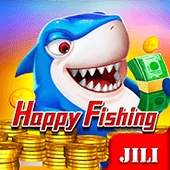
The local image below is the Happy Fishing artwork used to identify the listing. It is not a captured gameplay screenshot, so it should not be read as evidence of specific controls, fish, bonuses or interface states. For a genuine look at gameplay, use only the current game screen or an official preview supplied by the game.
On a phone, enlarge the actual game interface only when needed to read rule text, and avoid tapping repeatedly while a screen is still loading. The Happy Fishing Demo, if offered, is the appropriate place to inspect presentation before deciding whether to continue.
How Happy Fishing fits the PHSpin game catalogue
Happy Fishing is the game title; fishing is its catalogue category; PHSpin is the site that presents its listing. Those are related but distinct things: the game interface controls a session, while site navigation and account services belong to the platform around it. In other words, phspin Happy Fishing describes the relationship between a title and its listing, not a separate mode or a claim about results.
- Game: Happy Fishing, shown with the supplied title artwork and listed under Fishing.
- Category: fishing games help visitors browse related titles; a shared category does not establish identical mechanics.
- Platform: the PHSpin listing provides a route to the title. Read the platform and game terms that apply to your account and location.
- Practice and offers: demo access, promotions and PHSpin VIP conditions are separate from the game name; check their own displayed terms.
- Player safeguards: use the PHSpin responsible gaming information and any available account limits independently of game progress.
This distinction helps when searching for a phspin Happy Fishing guide: platform information can explain where to find the listing, while only the active game rules can explain its current play controls.
Choosing Happy Fishing against your priorities
Choose Happy Fishing when its fishing theme, readable controls and session pace match what you want; choose another listing when you prefer a different category or presentation. Before deciding, check the visible rules, confirm whether practice is available, compare any listed stakes with your limit, and consider whether you can pause comfortably. Compare published rules and stake ranges rather than relying on a title, image or assumed return.
- Theme: the fishing label is the reliable starting point; inspect the actual interface to learn its specific style.
- Learning curve: decide whether the control explanation is clear and whether a demo option is explicitly available.
- Budget and time: pick only a game whose displayed stake fits a limit you set before opening it.
- Alternatives: compare category labels and rules. Olympus Glory is another catalogue listing, and Ali Baba offers a separate title to inspect; neither should be assumed to play like a fishing game.
A Happy Fishing Demo can help you understand presentation only when that practice option appears, and it cannot guarantee results in paid play. Confirm any promotion's eligibility and terms separately, keep PHSpin responsible gaming limits in view, and treat PHSpin VIP benefits as optional account information—not as a selection strategy.